slovensko | english
Kot gibanje že leta spremljamo, podpiramo in obiskujemo antifašistične mobilizacije proti nacističnim pohodom v Sofiji, Budimpešti in drugod. Dobro vemo, da so nacisti in druge fašistične tolpe desna roka vladarjev, ki v senci opravljajo umazano delo države. Zato moramo konfrontirati njihove organizirane skupine in se boriti proti njihovi prisotnosti na ulici. V tem duhu delimo prevod članka o dveh nacističnih srečanjih v Sofiji in Budimpešti, ki vključuje zgodovinski kontekst, antifašistični upor (ter represijo) in report iz letošnjega dogajanja na ulicah. Članek “Meanwhile in Europe: Impressions from two of Europe’s biggest February 14th nazi marches, their origins and resistance” je bil napisan v angleščini in je v originalu objavljen spodaj.
V Evropi pa… vtisi dveh največjih nacističnih srečanj v Evropi 14. februarja, o njunih koreninah in uporu proti njima
Uvod
V senci naraščajoče moči avtoritarnih desničarskih strank in gibanj širom Evrope se v zadnjih letih vzpostavljajo tudi neofašistična gibanja. Osredotočajo se na Vzhodno Evropo, predvsem na države, ki so med drugo svetovno vojno dejavno kolaborirale z nacistično Nemčijo. Te države vsako leto gostijo ogromne mednarodne neonacistične dogodke, ki privabljajo desničarske ekstremiste_ke s celega sveta ter na katerih slavijo in častijo nacistične vojne zločinke_ce in množične morilce_ke.
Letošnjega februarja, natančneje 14. februarja, sta se v Budimpešti na Madžarskem in v Sofiji v Bolgariji zgodila dva največja neonacistična shoda. V Budimpešti je potekal »dan časti« (Day of Honor, Becsület napja), letno nacistično srečanje v spomin na nemško Oboroženo SS (Waffen-SS) in njene madžarske zaveznike ter njihov poskus pobega iz obleganega Budimpeškega gradu. Spomnimo – takrat so bili nacisti poraženi in so umrli sramotne smrti, od leta 1997 pa je dan časti prerasel v pomemben mednarodni fašistični dogodek, kjer častijo njihov poskus pobega pred sovjetsko vojsko. Program poteka cel konec tedna ter vključuje nacistični rock festival, véliko srečanje in pohod z več tisoč udeleženimi iz različnih koncev Evrope. Antifašistične protidemonstracije – in antifašizem nasploh – so prepovedane in kriminalizirane. Več sto policistk_ov varuje nacistične dogodke in preganja antifaštiste_ke.
Sočasno je v Sofiji potekal Lukov marš (Lukovmarch, Луковмарш), vsakoletni dogodek, ki ga organizirajo od leta 2003 naprej. Velja za enega največjih neonacističnih zborovanj v Evropi, gre pa pravzaprav za neonacistično baklado s široko lokalno in mednarodno udeležbo v spomin na bolgarskega nacističnega generala Hrista Lukova (1887–1943), ministra za vojno med letoma 1935 in 1938 ter vodje Zveze bolgarskih nacionalnih legij (Union of Bulgarian National Legions, Съюз на Българските Национални Легиони – SBNL), organizacije, povezane z nacistično Nemčijo, in tesne zaveznice nacističnega Tretjega rajha.
Lukov marš in dan časti sta po navadi organizirana na različen datum, s ciljem medsebojnega mreženja: časovno sovpadanje bi lahko nakazovalo konflikt med organizatorskima ekipama iz vsakega od kontekstov. Kakor koli že, kontinuirani obstoj obeh nacističnih srečanj jasno osvetljuje tudi antifašistično prisotnost na ulici ter splošni antifašistični sentiment, tako v regiji kot po celi Evropi in svetu. Velika vnema antifašistične tovarišije vsa ta leta duši ogenj neonacističnih bakel, z deljenjem tega koščka konteksta, zgodovine in podrobnosti o uporu na terenu pa skušamo še utrditi vezi za nadaljnje skupne boje in solidarnost, vedno in povsod.
Pričujoči prispevek temelji na pogovorih s tovarišijo iz Sofije, sporočili tovarišije iz Budimpešte, intervjuju, ki ga je leta 2023 s tovatišem_ico iz Sofije opravil tovariš_ica iz Budimpešte, ter na zbiru tovariških klicev v solidarnost, splošni raziskavi, pa tudi nekaterih gnus vzbujajočih odkritjih na nacističnih spletnih straneh. Vse, ki imate povratno informacijo ali kritiko, še posebej pa antifašite_ke iz dotičnih kontekstov, ki menite, da kaj manjka ali je napačno predstavljeno, vabimo, da nas kontaktirate; prav tako, če želite predlagati temo, ki bi jo bilo dobro obravnavati, in sodelovati pri pisanju: resiscribir@systemli.org.
Sofija
Kontekst (zelo na kratko)
Med drugo svetovno vojno se je Bolgarija preusmerila s položaja nevtralnosti k zavezništvu s silami osi (po domače, v nacistično-fašistično koalicijo), kjer je vztrajala med letoma 1941 in 1944, ob prihodu sovjetske vojske leta 1944 pa se je preobrnila nazaj. Kot zaveznica nacistične Nemčije je sodelovala pri holokavstu, predvsem pri izvažanju Judov s svojih okupiranih ozemelj (v tedanji Jugoslaviji in Grčiji). Po drugi svetovni vojni je imela med letoma 1944 in 1989 tako imenovani komunistični režim, ki ni toleriral fašizma – niti anarhizma ali katere koli druge miselne šole, ki so bile v konfliktu s političnimi interesi oblasti. Posledično so se politični disidenti_ke umaknile v podzemlje, daleč od oči vlade. Eden od razlogov za padec režima v poznih osemdesetih letih 20. stoletja je bil proces etničnega čiščenja, uperjen proti prebivalkam_cem Bolgarije turških korenin, ki so jih pobijali ali nasilno integrirali v bolgarsko kulturo. Ta dejanja so kamen spotike znotraj bolgarskega fašističnega gibanja: hkrati nasprotujejo »komunističnemu« režimu in podpirajo etnično čiščenje manjšin – fašistični nacionalizem v svoji najboljši obliki. V devetdesetih letih se je začel prehod v kapitalistični ekonomski in politični sistem Zahoda, in oblikovati so se začele nove skupine. V naslednjih letih, na prelomu tisočletja, so z vstopom v Nato (2004), članstvom v EU (2009) in nadaljnjo integracijo v te mednarodne strukture fašistke_i posvojili bolj klasične neonacistične pristope. To pomeni predvsem odprto opiranje na nacionalizem, razprave o ozemljih, ki jih je Bolgarija izgubila med drugo svetovno vojno in balkanskimi vojnami v devetdesetih, ter prežvekovanje večnega konflikta, kdo ima pravico do Makedonije (danes države Severne Makedonije). Naslednja stopnička v tem etnonacionalističnem diskurzu so seveda manjšine in kako jih je treba počistiti; fašistična nacionalistična tematika torej ostaja aktualna.
Lukov marš in nacizem/fašizem v Sofiji
Letos je Lukov marš, neonacistična baklada, v Sofiji potekal že triindvajseto leto zapored. Velja za eno največjih neonacističnih srečanj v Evropi, kamor se vsako leto stekajo mednarodne možice, da bi podprle svoje bolgarske somišljenice_ke pri obujanju spomina na bolgarskega nacističnega generala Hrista Lukova (1887–1943), ministra za vojno med letoma 1935 in 1938 ter vodjo Zveze bolgarskih nacionalnih legij, organizacije, povezane z nacistično Nemčijo, in tesne zaveznice nacističnega Tretjega rajha.
»Kar se zgodi vsako leto, je njegovo slavljenje, pohod do njegovega doma, prižgane bakle in tuljenje rasističnega sranja, pa pretepanje ljudi.« – tovariš_ica iz Sofije
Čeprav želijo nacisti_ke Lukova prikazati kot dobrega bolgarskega patriota, in vsekakor ne (vsaj ne neposredno in neizpodbitno) kot nacista, je dejstvo, da je bil vodja mnogih okupacijskih strategij med drugo svetovno vojno, ki ga je ubila judovska antifašistična partizanka po imenu Violeta Yakova. Identiteta atentatorke tako med nacisti napaja sovraštvo do Judov, žensk, partizanov in komunistk. Organizacijska ekipa Lukovega marša je prek svojih ustanov deležna institucionalne podpore: iz tega žepa se krijejo stroški njihove spletne strani ter velik del nacionalne in mednarodne propagande. Glavne žrtve njihovega novačenja so fantje v najstniških letih, predstavljajo namreč stalno rastočo skupino novih udeležencev pohoda ter v nacističnih krogih nasploh.
Neonacisti_ke iz cele Evrope se vsako leto udeležijo procesije v čast nacističnemu generalu, organizatorke_je iz Bolgarske nacionalne zveze (Bulgarian National Union, Български национален съюз – BNS) pa najdemo na neonacističnih demonstracijah na Poljskem in v Italiji. To ne preseneča, saj »seznam povabljenih« na Lukov marš zajema neonacistične skupine iz Španije (La Falange; Nucleo Nacional – Nacionalna zveza), Nemčije (Nacionalna demokratična stranka – NPD; Die Rechte – Desnica; Der III Weg – Tretja pot), Francije (Terre et peuple – Zemlja in ljudje), Italije (CasaPound), Avstrije, Hrvaške, Poljske (Narodowe Odrodzenie Polski – Nacionalni preporod Poljske), Romunije (Nova Dreapta – Nova desnica), Madžarske in Švedske (The Nordic Front). Leta 2012 je bila v Sofiji v okviru širitvene kampanje organizirana evropska nacistična konferenca pod naslovom »Evropa svobodnih nacij, ne diktatura EU birokratk_ov«. Udeležili so se je predavatelji_ce iz Bolgarije, Hrvaške, Nemčije in Francije, častni gost pa je bil profesor Pierre Vial iz Francije (po besedah nacistk_ov »pionir nove desnice po drugi svetovni vojni«). Leta 2014 je nemški bend Libertin posnel pesem v čast generalu Hristu Lukovu. Lukov marš je danes eden od letnih nacističnih dogodkov, ki po prepričanju nacistk_ov »utrjuje vezi med evropskimi nacionalisti_kami v skupnem boju proti globalizacijskim silam, ki skušajo uničiti identitete naših nacij« (premor za bruhanje).
Bolgarska desnica je dobro organizirana, vendar razcepljena na dve veliki skupini, in sicer na podlagi podpore – Rusiji ali Ukrajini. Ena struja, stranka Oživljenje (Revival, Възраждане), je del vlade in je sestavljena po večini iz starejših moških. Umestimo jih lahko med desne populiste, zasedajo pa prorusko in propalestinsko pozicijo. Radi govorijo o neodvisnosti Palestine in ji izražajo podporo, s čimer so pridobili znatno naklonjenost palestinske skupnosti v Bolgariji; dan pred volitvami so na primer organizirali protest v solidarnost s Palestino. Drugo skupino sestavljajo predvsem mlajši nacisti_ke, ki zastopajo proukrajinsko držo in so v tesni povezavi z organizacijo Bolgarska nacionalna zveza oziroma Bolgarsko nacionalistično zavezništvo, ki se ima za naslednico fašistične organizacije, katere član je bil Hristo Lukov. Kot omenjeno, je to skupina, ki organizira Lukov marš in uspešno novači mlajše moške. Znotraj nje pa je prišlo do še ene delitve: sprva je skupino vodil Bojan Rassate, vendar je rastoče nezaupanje vanj vodilo do razkola. Rassateju, ki je sedaj na čelu druge podskupine, je udeležba na Lukovem maršu prepovedana zaradi sumov sodelovanja z oblastjo oziroma tajno policijo oziroma kdo vé kom. Nacistično gibanje ima torej dve močni struji, ki delujeta v različnih družbenih segmentih in se ločujeta predvsem po izkazovanju podpore Rusiji oziroma Ukrajini, vsi pa se ukvarjajo z dramo in sumničenji glede Bojana Rassateja. Med obema taboroma Bolgarske nacionalne zveze lahko spremljamo prav komična in precej odvratna prerekanja (več iz sveta »nacisti proti nacistom« na: bgns.net in bns-rassate.bg)
Nacizem in fašizem sta vedno bila in sta še prisotna na ulicah: tako s pretepanjem tistih, ki pripadajo manjšinam, imajo druge barve kože, so migrantke_i ali queer, kot tudi z murali, simboli, tagi ter nalepkami predstavljajo grožnjo vsem, ki se znajdejo na ulicah Sofije. Tovarišija pa opaža, da vztrajno nadgrajujejo tudi načine organiziranja: ustanavljajo klube, redno trenirajo in privabljajo številne nove člane_ice.
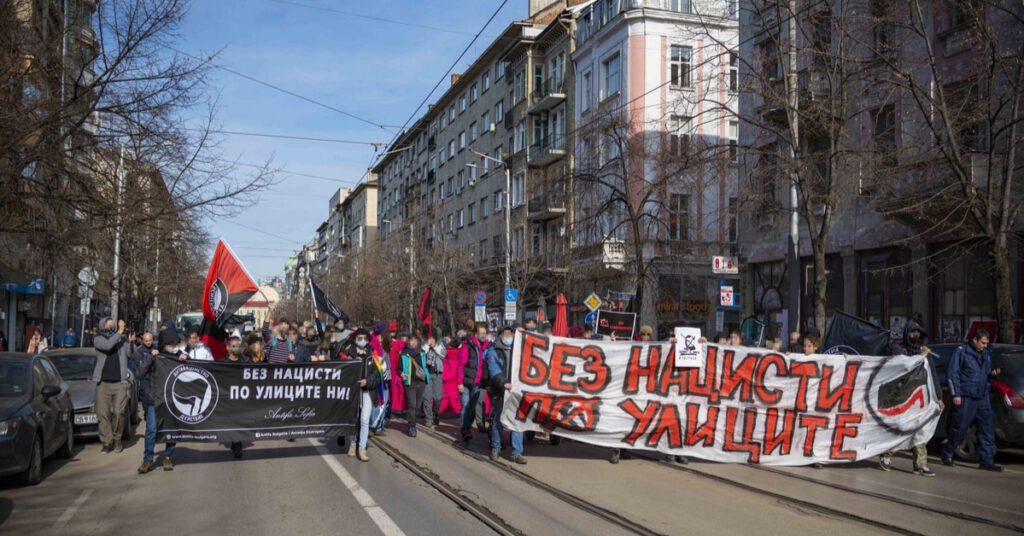
Brez nacistov na naših ulicah / antifašizem v Sofiji
Medtem ko na pol liberalne množice v splošnem sprejemajo nacionalistični fašizem, pa antifašizem zaznavajo kot nekaj sumljivega, radikalnega in ni integriran v liberalno miselnost. Zaradi tega in posledično tudi pomanjkljivega izobraževanja o fašizmu je antifašizem pogosto slikan kot sestavni del avtoritarnega »komunističnega« režima, torej nekaj, za kar se zagotovo ne bi borili_e. Lokalne neonacistične organizacije z obujanjem nacionalističnih, ksenofobnih, rasističnih in ultrakonservativnih idej privabljajo številne mlade, ki iščejo občutek varnosti in pripadnosti. Protest pod geslom »Brez nacistk_ov na naših ulicah« je počasi in postopoma začel spreminjati retoriko medijev okoli Lukovega marša, ki so pred tem udeležene prikazovali kot »dobre patriotske fante«. S tem jim je uspelo ponovno odpreti debato o antifašizmu onkraj sence sovjetske zapuščine.
Prvi Lukov marš je potekal leta 2003 in istega leta so se začeli tudi protifašistični shodi. V prvih letih je šlo specifično za kontraprotest Lukovemu maršu, z namenom izraziti nasprotovanje glorifikaciji vojnega zločinca in nacista; pred približno petnajstimi leti pa je prišlo do širitve pod sloganom »Brez nacistk_ov na naših ulicah!«, da bi zajele_i splošnejše antifašistične teme, vključno z migracijami, feminizmom in queerom. V začetnem obdobju je srečanje spodbujalo širše povezovanje levega političnega spektra, pozneje pa je organizacijska ekipa nekatere komunistične (natančneje marksistično-leninistične) struje pozvala k umiku, saj so želele_i vzpostaviti antiavtoritarne temelje za nadaljnji razvoj shoda. Ta potek je verjetno obenem spremljala bojazen, da bi se antikomunistični sentiment splošne javnosti prelil na anarhistično, pa tudi antifašistično gibanje nasploh. V svoji novi različici je shod pridobil jasno antiavtoritarno osnovo, ne glede na vse pa se ga etiketa »komunistično« do neke mere drži še danes. V ospredje je stopilo nasprotovanje ne le fašizmu, temveč vsem avtoritetam in prav tako mejam; ko namreč kritiziramo meje, se ne moremo izogniti kritiki oblasti. Antiavtoritarna drža v kombinaciji z zgodovino denaturacije antifašizma v javnih in liberalnih pogledih antifašistični pomeni, da se protesta udeležujejo večinoma anarhisti_ke ter libertarke_ci.
Leta 2022 so antifašisti_ke zunaj okvira shoda preizkusile tudi format direktne akcije blokiranja fašistk_ov. Blokada je bila kratkotrajna, policija je hitro odstranila protestnike_ce. Po tem je mestna uprava uradno prepovedala fašistični shod. Čeprav prepoved velja še danes, je slednji ves ta čas toleriran, prijavljajo ga pod rahlo spremenjenimi imeni ali v rahlo različnih oblikah. Prepoved sicer ni neposredna posledica antifašistične taktike blokade, je pa stopnjevanje konflikta med fašisti_kami in antifašisti_kami leta 2022 pod žaromete postavilo pripravljenost oblasti, da odkrito dovoljujejo fašistični shod. Antifašistično gibanje je pozivalo mestno upravo k polni uresničitvi prepovedi, vendar brez uspeha. Čeprav Lukov marš še vedno poteka, je po prepovedi začela udeležba upadati, dogodek je izgubil na mednarodnem pomenu in podpora splošne javnosti počasi bledi. Na drugi strani pa je protest »Brez nacistk_ov na naših ulicah« prerasel svojo prvotno obliko kontrashoda in postal platforma širokega spektra antifašističnih bojev.
Medtem ko so neposredni stiki in spopadi med fašisti_kami in antifašisti_kami od poskusa blokade redki, se fašisti_ke še pojavijo na protifašističnem shodu s poskusi provokacij, vendar se hitro opravi z njimi.
Protest »Brez nacistk_ov na naših ulicah« organizira lokalna antifašistična sekcija, zelo majhna skupina ljudi, ki jo zadnja leta tvori zaprt krog posameznic_kov. Zadnje čase pa se v kolektivih odpirajo debate, kako vključiti nove ideje in razširiti mrežo, kar predstavlja svojevrsten izziv, kot poročajo tudi antifašisti_ke iz Sofije: ni namreč enostavno krmariti med različnimi skupinami in ljudmi ter medosebnimi in političnimi nesoglasji.
Ampak – kljub težavam in dejstvu, da je fašistično gibanje še naprej močno na ulicah ter obenem deležno finančne in ideološke podpore iz vplivnih sredin, so antifašistični protesti osvetlili številne aktualne boje ter prek številnih tem, ki so se odpirale v govorih različnih skupin, utrdili skupnost; po lanskem protestu se je celo ustanovil nov kolektiv. Letos so bili teden pred protestom organizirani koncert in performansi v slogu flashmobov z namenom njegove promocije, širjenja antifašističnega sporočila ter umestitve shoda v splošnejši kontekst, torej ozaveščanja, da ne gre le za naše boje, temveč tudi za Palestino, Kurdistan in poskuse utišanja aktivističnih glasov po celem svetu.
2026
Na letošnjem protestu v Sofiji so se odpirale teme antifašizma in represije nad tovarišijo, revolucije v Kurdistanu, migrantske situacije in razmer na mejah, queera in feminizma, Palestine, nacionalizma ter zmag nad nacizmom. Tovariši_ce iz Budimpešte so v govoru pozvale k solidarnosti, v vseh kontekstih in geografijah.
Točen datum Lukovega marša je najavljen precej pozno in v preteklosti so nacisti_ke shod prijavile na vsak vikend v februarju, da bi si zagotovile nemoteno organizacijo. Letos pa so antifašisti_ke ravno to tehniko uporabile proti njim. Na 7. februarja so organizirale antifašistični koncert in odprle prostor za govore v središču mesta, 14. februarja pa je potekal shod – glasen in barvit. Tehnika se je izkazala za učinkovito, saj je nacistkam_om komajda uspelo izvesti pohod: sprehodili so se kakšnih osemdeset metrov, do hiše Lukova, kjer se je zgodila njihova mala »spominska slovesnost«. Naslednjo soboto, 21. februarja, pa je antifašistična skupnost izvedla politični performans pred Turško ambasado.
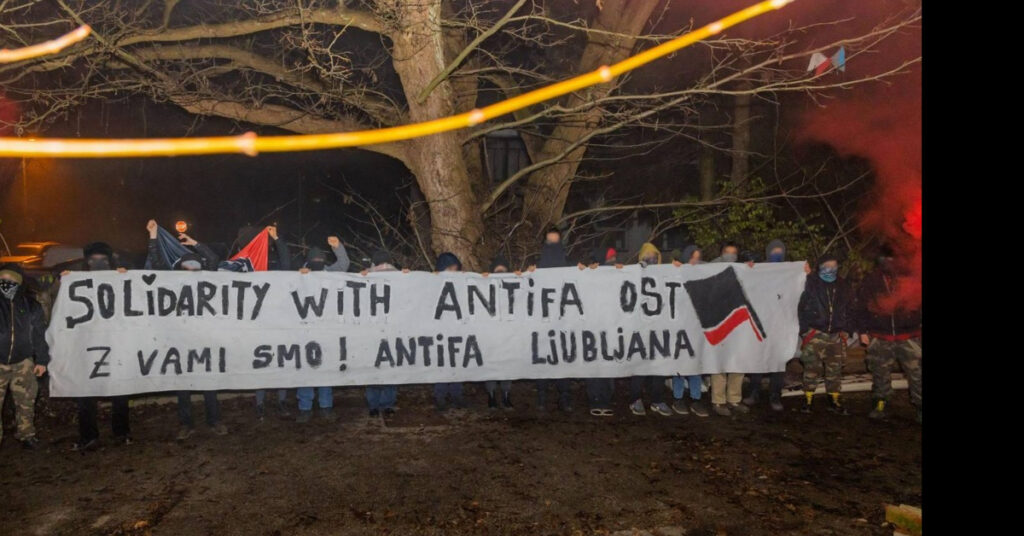
Med obema protestoma 14. februarja ni prišlo do neposrednega spopada (med drugim zaradi majhnega obsega Lukovega marša) in to je sprejeto kot mala zmaga antifašističnega gibanja. Okoli dvesto udeleženk_cev antifašistične demonstracije je povzdignilo glasove, po ulicah je odmevala glasba ter z izjemo nekaj srečanj s posameznimi nacisti_kami – očitno preveč prestrašenimi, da bi storile kaj več kot kričale v množico anarhistk_ov, in obdanimi s policijo – je dogodek potekal brez zapletov. Zaključil se je pred spomenikom bolgarskega revolucionarja Vasila Levskega, ki ga nacisti_ke opredeljujejo kot nacionalista, antifašisti_ke pa kot antiimperialista, nasprotnika Osmanskega cesarstva, s čimer rušijo nacionalistični okvir, zgrajen okoli njega.
Če se vrnemo, na večer pred protestom je po pričevanjih samih nacistk_ov okoli petindvajset policistk_ov vdrlo v prostore Bolgarske nacionalne zveze, kjer se je zbrana druščina pripravljala na veliki dan. Policija naj bi naciste_ke ustrahovala z električnimi paralizatorji ter puškami, in čeprav naj ne bi smele_i vstopiti na privatno posest vodje Zveze Zvezdomirja Andronova, jim je uspelo identificirati vse prisotne ter preiskati njihove torbe. Protipolicijska nastrojenost na zanimiv način prepreda tako antifašistično kot fašistično sfero: medtem ko nacisti_ke trdijo, da je policija »slepa na levo oko«, da sodeluje z »antifašističnimi ekstremisti_kami«, antifašisti_ke zaznavajo policijsko naklonjenost in zaščitništvo do nacistk_ov ter nepripravljenost, da bi ureničevali_e prepoved širjenja sovražnih sporočil.
Budimpešta
Kontekst (zelo na kratko)
Po koncu prve svetovne vojne, ko je razpadla Avstro-Ogrska, je bila ustanovljena Kraljevina Ogrska (ampak ne brez nekaj komunističnih intervencij!). Med drugo svetovno vojno je bila Kraljevina zaveznica sil osi (torej fašističnih in nacističnih sil). Po koncu druge svetovne vojne je bila priključena mreži sovjetskih republik in s tem sprejela tako imenovani komunistični režim, ki se je obdržal od leta 1945 do 1989. V tem času so bili, podobno kot v Bolgariji, kakršni koli izrazi fašizma nedopustni, disidentke_i pa potisnjeni v podzemlje. V devetdesetih letih preteklega stoletja je šla, ravno tako podobno kot Bolgarija, čez naporno tranzicijo v neoliberalni kapitalizem in »liberalno demokracijo«. Leta 1998 je na volitvah prvič zmagala stranka Fidesz z Viktorjem Orbánom na čelu (in na prestolu se je ponovno znašel fašist). Naslednjega leta se je Madžarska priključila Natu, leta 2004 pa je vstopila v EU. Leta 2010, po gospodarski krizi 2008, je bil ponovno izvoljen Fidesz z Orbánom in je leto zatem je bila sprejeta nova ustava, ki je grobo obračunala s politično opozicijo ter povečala nadzor vlade nad monetarnimi politikami, proračunom, mediji. Orbán še danes ostaja na položaju, njegova fašistična politika in retorika pa sta vse močnejši in jasnejši.
»Dan časti« in nacizem/fašizem v Budimpešti
Na Madžarskem vse od tranzicije javno delujejo neonacistične organizacije. Čeprav so nekatere njihove demonstracije občasno prepovedane, vsako leto izvedejo na desetine javnih dogodkov. Ulične demonstracije, spominski pohodi, protesti, koncerti, galavečeri borilnih veščin … Navdiha jim ne primanjkuje. Ključni element fašističnega gibanja so nasilje in grožnje z nasiljem. Organizirano fašistično nasilje se je na Madžarskem pojavilo konec osemdesetih let 20. stoletja, z rasističnimi napadi naciskin skupin v različnih mestih, ki so se končali z več smrtnimi žrtvami, število napadenih in poškodovanih pa je ocenjeno na nekaj sto ali celo nekaj tisoč.
In tako vsako leto okoli 14. februarja v Budimpešti poteka »dan časti«. Danes to pomeni cel vikend nacističnega veseljačenja, kjer slavijo spomin na Oboroženo SS in njene madžarske zaveznike_ce. Čeprav je letno srečanje poklon času, ko so nacistke_i skušali pobegniti iz obleganega Budimskega gradu, bili poraženi in umrli sramotne smrti, je dan časti od svojih začetkov leta 1997 prerasel v pomemben mednarodni fašistični dogodek. Prvo leto se je zbralo okoli sto petdeset nacistk_ov, vendar je do leta 2003 število hitro naraščalo in se po tem ustalilo. Čez leta so dogodek organizirale različne neonacistične skupine in posameznice_ki, vključno z madžarsko vejo mreže Blood & Honour, ki pa je bila že leta 2004 uradno prepovedana, ampak njihova simbolika, na primer deformirana svastika, ostaja prisotna na zborovanjih.
Shod, ki je drugo največje nacistično srečanje v Evropi, organizira najmočnejša skrajnodesničarska skupina lokalne scene, torej ta naloga rotira. Trenutno jo že več let zapored prevzema fašistična skupina Madžarska legija (Légió Hungária). Ustanovljena je bila leta 2018, predstavlja pa se kot »nacionalno odporniško gibanje«, predano ohranjanju »etnične in kulturne integritete Madžarske«, kot pravijo sami_e. Madžarska legija spada med ekstremnejše skupine madžarske skrajne desnice. Odkrito častijo zgodovinske fašistične like, prakticirajo paramilitaristični aktivizem ter so del transnacionalnih mrež, kot sta Nordijsko odporniško gibanje (The Nordic Resistance Movement) in Hammerskins. Od leta 2022 jim je uradno prepovedana kakršna koli javna prisotnost, vendar se prepovedi uspešno izogibajo, saj jih policija tolerira in jo po navadi odnesejo le z manjšimi kaznimi (poleg tega lahko z izjemo v februarju prosto izvajajo demonstracije kjer koli po državi). In prav one_i so tisti, ki so preobrazili dan časti v masovni mednarodni dogodek nacističnega izlivanja čustev, kot ga poznamo danes. Poleg organizacije shoda Madžarska legija sodeluje tudi pri ulični mobilizaciji in ustrahovalnih kampanjah ter je jedro širše infrastrukture madžarske skrajne desnice.
Letos se je nacistično praznovanje razvleklo v večdnevni spektakel s koncerti, žuri, razstavo nacističnih uniform na ulicah Budimpešte in šestdesetkilometrskim pohodom (Sortie Tour) po poti, po kateri so leta 1945 bežala nacistična vojska. Dogodek je poklon nacističnim »herojem_injam«, množičnim morilkam_cem iz SS in stranke Puščičasti križ (Arrow Cross Party), ter privablja veliko število tujih udeleženk_cev, med njimi nacistične voditelje_ice iz vse Evrope, seveda so prisotne tudi vse madžarske nacistične skupine. Pohod financira vlada in ima močno medijsko pokritost, po navadi priredijo »tiskovno konferenco«, demonstrirajo v Normafi, izvajajo flashmobe na Trgu herojev, leta 2025 so na primer organizirali kongres na sedežu Svetovne federacije Madžarov (Magyarok Világszövetsége – MVSZ) in nekaj podobnega najavili tudi za leto 2026. Vse sodelujoče_i na slovesnosti javno podpirajo Tretji rajh, genocid in nasilje. Lokacija dogodkov ostane skrivnost do tik pred zdajci. Policija je obveščena o dogajanju in običajno izvede kak simbolni ukrep, potem pa vzpostavi varovanje prizorišča.
Antifašizem ter njegova kriminalizacija (in Budimpeški kompeks)
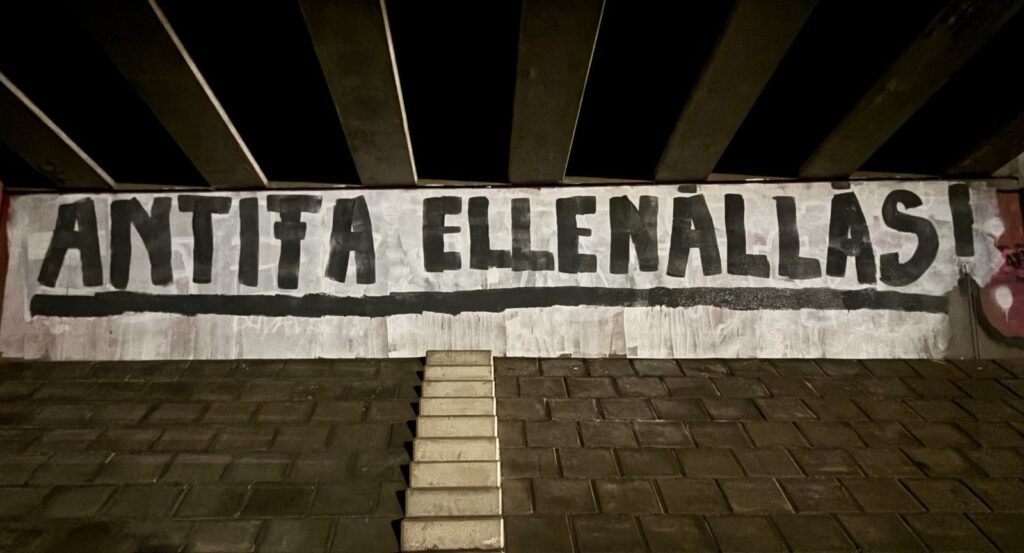
Kot omenjeno, so vse od začetkov, leta 1997, neonacistična zborovanja spremljale antifašistične protidemonstracije. Leta 2020, ko je dogodek prvič organizirala brutalna skrajnodesničarska skupina Madžarska legija, je kontraprotest prvič privabil več udeleženk_cev kot nacistično srečanje. Antifašistična prisotnost na ulicah in prav tako protestniška kultura v Budimpešti nista ravno močni, vendar se je to z mobilizacijo ob tej priložnosti začelo spreminjati, žal pa hkrati utrpelo velik udarec z večanjem državne represije. Najvztrajnejši udeleženci_ke protestov so po pričakovanjih anarhistke.
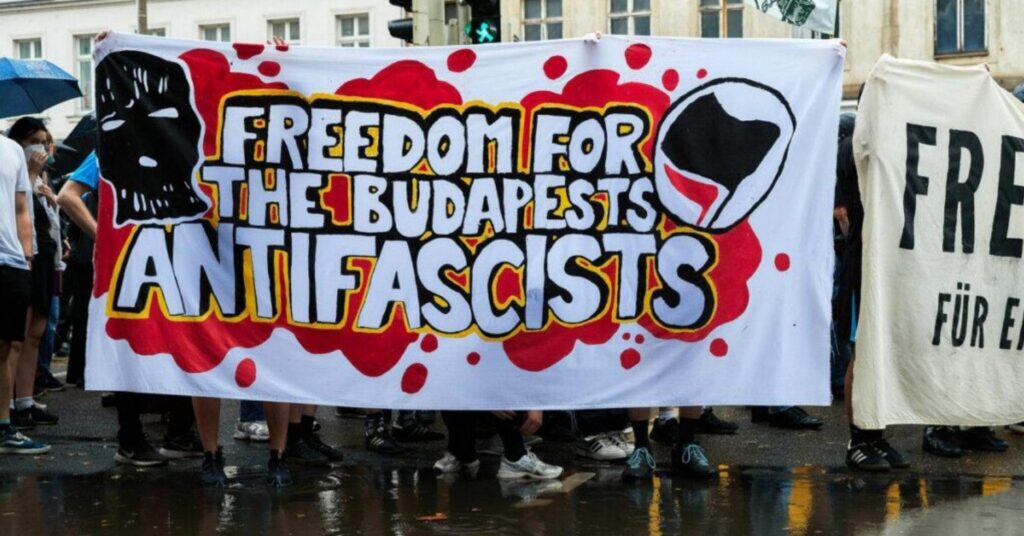
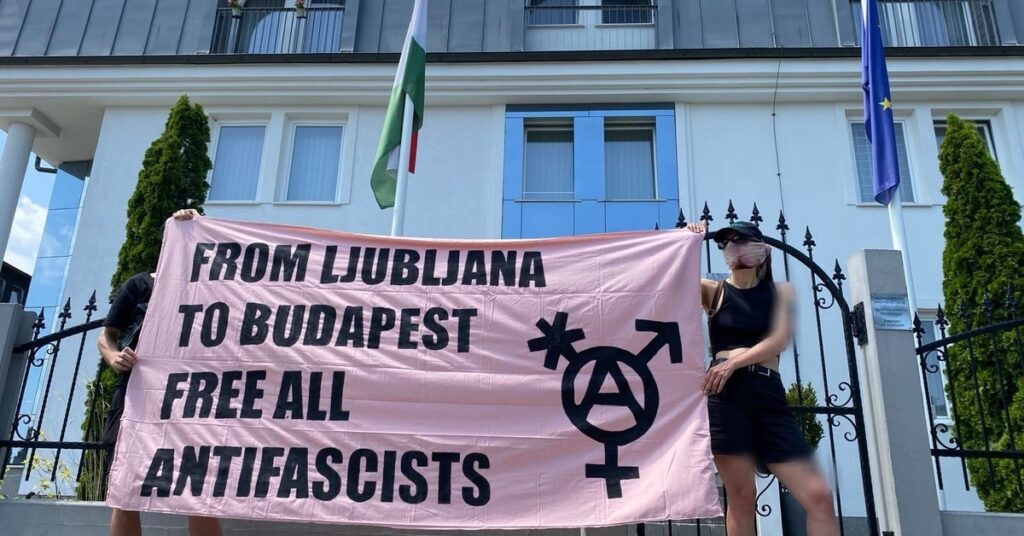
Februarja 2023, v dneh okoli nacističnega slavja, se je zgodilo več antifašističnih napadov na prepoznavne naciste_ke, predvsem nemadžarske. V dneh po zborovanju so oblasti sprožile mednarodno tiralico za vpletenimi antifašisti_kami in mnoge med njimi so morale poiskati zatočišče po različnih koncih Evrope, medtem ko so jih iskale nemške, francoske in italijanske policijske enote ob pomoči madžarskih. Izdani so bili nalogi za aretacijo obtoženih, v več nemških in italijanskih mestih je policija izvajala racije v stanovanjih, prisluškovala osumljenim, jim sledila in zasliševala njihove bližnje. Pripadniki_ce nacističnega gibanja niso bile na udaru. Za ta proces, ki se ga je oprijelo ime »budimpeška afera« oziroma »budimpeški kompleks«, so v vzhodni Nemčiji celo ustanovili posebno policijsko enoto, trajal pa je več kot dve leti. Osemnajst aktivistk_ov, večinoma italijanskih in nemških državljanstev, je bilo obsojenih na madžarskih sodiščih zaradi domnevne vpletenosti v napade (vključno z Ilatio Salis, ki je bila oproščena, ker je bila leta 2024 izvoljena v Evropski parlament). Leta 2026 so bile izrečene še zadnje razsodbe. Novicam o procesih lahko sledite na spletni strani Budimpeškega antifašističnega solidarnostnega odbora (Budapest Antifascist Solidarity Committee – BASC; povezava spodaj).
Postopki proti osumljenim napada so se sprevrgli v zaigrano politično sojenje s ciljem kriminalizacije antifašizma. Nemška aktivistka Maja je bila podvržena kontroverznemu sojenju na Madžarskem. Nebinarni aktivist_ka je bila zajeta v Nemčiji in izročena (kot trdijo podporniki_ce, protizakonito) Madžarski, kjer so jo zaprle_i v samico za leto dni in pol, mučili z uporabo psiholoških metod in ji grozili s štiriindvajsetimi leti zapora na Madžarskem. Nedavno ji je bila izrečena obsodba na osem let zapora. Čeprav je jasno, da kakršne koli nasilne direktne akcije prinašajo tveganja in potencialne posledice, se večletna zaporna kazen za pretep zdi izjemno nesorazmerna. Predsedujoči sodnik in policija sta udeležbo Majinih prijateljev_ic ter sorodnic_kov na sojenju razumela kot oteževalno okoliščino. Od lanskega decembra so prepovedane solidarnostne demonstracije pred sodiščem (ne pa tudi fašistične demonstracije).
Madžarska vlada je na podlagi budimpeške afere, v poskusu legitimacije svojega ravnanja, septembra 2025 z odlokom »antifašistično srečanje skupaj« (sic!) razglasila za »teroristično organizacijo«. S tem, tako imenovanim antifa terorističnim aktom so oblasti prepovedale vsa antifašistična srečanja in še posebej demonstracije, rekoč, da bo vsakršna kršitev obravnavana kot dejanje aktivne podpore terorizmu. Ne preganjajo določene organizacije in ne ukrepajo proti konkretnim dejanjem, temveč odrejajo pregon samega antifašizma. Zaenkrat je bila posledica odloka policijska prepoved šestih antifašističnih demonstracij. Poleg tega je bila prepovedana slovesnost ob spominu na holokavst, ki naj bi jo 15. januarja organizirali Madžarska organizacija odporniških bork_cev in antifašistk_ov (Magyar Ellenállók és Antifasiszták Szövetsége – MEASZ) ter Mednarodna federacija odporniških bork_cev (Fédération Internationale des Résistants – FIR). To so upravičevali pod krilatico »javnega reda«, ki naj bi ga po njihovih besedah ogrožale »podpornice_ki antifa ideologije«. Sporočilo je jasno: kdor zavrača fašistično prisotnost, ogroža javni red. Vsi organizatorji_ke, vpletene v antifašistične proteste v zadnjih letih, so na vladni črni listi (vendar zaenkrat še brez posledic). Nova zakonodaja dovoljuje neomejeno represijo in vprašanje, kako bo to prizadelo antifašistično delovanje na ulicah v prihodnje, ostaja odprto.
Policija je v tej fašistični zgodbi podpornica, sostorilka, tista, ki jo omogoča. Ukrepa tako, kot od nje pričakuje oblast. In kaj je cilj oblasti? Kaj bi lahko želela doseči z odlokom o prepovedi antifašizma? Podpirati fašizem. Avtoritarni režim uporablja številne fašistične elemente. Poleg spodkopavanja pravne države, zatiranja politične opozicije, nadzora nad mediji in podrejanja institucij državna propaganda producira tudi eksplicitno nacistično vsebino. Glavno sporočilo države je podpihovanje sovraštva – proti beguncem_kam, nasprotnicam_kom, manjšinam. In med tistimi, ki krojijo politiko spomina, je kar nekaj nacističnih simpatizerk_jev. V uradnem stališču je zanikana vloga madžarske države v holokavstu. Revščina je etnizirana in obravnavana kot »ciganska problematika«. Socialna politika fašizma je socialni darvinizem: »vsak_a je vredna toliko, kot ima«. Vladni uradniki_ce in vodilne političarke_ki javno pozirajo z razvpitimi nacisti_kami. Ustanovljenih je bilo tudi več lojalnih nacističnih satelitskih strank.
Vladni antiantifašizem izvira iz splošne politične klime. Orbán na ta način nabira politične točke pri Trumpu in daje zgled drugim evropskim vladam. Hkrati antiantifašistični – torej … fašistični – odlok kaže, da je njegov režim vse bolj neobrzdan, še posebej ker v luči prihajajočih aprilskih volitev čuti, kako mu moč polzi iz rok. S tem je povezan tudi poskus prepovedi letošnjih praznovanj in demonstracij v okviru Budapest Pridea, ki pa je mizerno spodletel, saj so množice aktivistk_ov LGBTQIA+ preplavile ulice mesta. Dan časti ne obstaja izolirano. Umeščen je v ekosistem vse bolj razširjene skrajnodesničarske politike, ki se na Madžarskem razcveta pod vodstvom Viktorja Orbána in njegovega Fidesza.
Antiantifašistični – in potemtakem fašistični – odlok ni bil ustvarjen le z namenom zaščititi naciste_ke, temveč groziti celotni družbi. Vsak_a, ki zavrača fašizem, je v Orbánovem režimu razumljena kot sovražnica in podvržena pregonu. V trenutni situaciji potrebujemo antifašizem bolj kot kadar koli prej.
2026
V Budimpešti na tisoče fašitk_ov iz številnih evropskih držav prosto maršira po ulicah. Letos je potekalo več nacističnih dogodkov, najavljenih vnaprej. Sto- do dvestoglava množica obiskovalk_cev dvodnevnega mednarodnega nacirock festivala skupine Blood & Honour, ki je v številnih državah prepovedana, se je zbrala v mestnem središču Váca in od tam odkorakala do bližnjega koncertnega prizorišča. Madžarska legija Puščičastega križa je organizirala mednarodno nacistično srečanje na sedežu Svetovne zveze Madžark_ov, naslovljeno »Hiša Turul«. (Budapest V. Semmelweis u. 1–3.) Srečanja se je udeležilo več sto ljudi, svoje delegacije je poslalo tudi več tujih mednarodnih fašističnih organizacij. Ta »Svetovna zveza« odprtih rok sprejema fašizem vseh odtenkov, vključno s Puščičastim križem. Največji dogodek februarskega srečanja v Budimpešti je nacistični spominski pohod, tako imenovani pohod preboja, na katerem se je več tisoč pohodnikov, predvsem iz tujine, poklonilo nacističnim tradicijam.
Slikanje podobe »herojinj_ev« v boju za obstanek (naroda, nacionalizma, Madžarske …) je ključ v simbolični logiki upravičevanja dneva časti: za številne skrajne desničarje_ke je to eden redkih prostorov, kjer so njihovi nazori sprejeti in deležni podpore. Ta občutek pa seveda še dodatno utrjuje situacija, v kateri je vsakršen antifašistični odziv označen za terorizem in kazensko preganjan. Lansko leto je madžarska vlada prepovedala antifašizem, da aktivisti_ke s svojimi protesti ne bi motile pestrega nacističnega dogajanja. Letos je v znak nestrinjanja nekaj antifašistk_ov iz Budimpešte organiziralo tiskovno konferenco, kjer so, opremljeni s transparenti na temo fašizacije sveta, v govorih obsodili Orbánovo politiko. Okoli sto policitk_ov je obkolilo ter identificiralo med šestdeset in osemdeset udeleženk_cev mednarodne tiskovke. Pozneje je bilo ustavljenih in pregledanih nekaj deset mladih, ki naj bi se, po besedah policije, seveda, zadrževali_e preblizu nacistične spominske poti. Policija je uradno najavila, da bo zagotavljala varnost udeleženk_cev nacističnih dogodkov. Celotna organizacijska ekipa lanskih antifašističnih dogodkov je na črni listi, in čeprav se zaenkrat z njo še ni zgodilo nič, je zelo verjetno, da jo bodo dopolnjevali, dokler se oblasti ne odločijo ukrepati in stisniti v kot vsakega anifašista_ko posamezno.
Kapitalizem reagira na krizo, ki jo je ustvaril sam, z varčevalnimi ukrepi in klestenjem življenjskega standarda. To pa ni mogoče brez zaostrovanja državne represije, grešnih kozlov, hujskanja proti manjšinam, militarizma, nacionalizma, rasizma, zatiranja žensk in fašizma. Orbán s svojo tolpo je prva obrambna linija evropskega fašizma, vendar v tem nikakor ni sam. Avtoritarne tendence dobivajo na moči na vsakem koraku, fašizacija je vsesplošni, svetovni pojav. Zdi se, da svetovni kapitalistični ustroj, ki temelji na nenehnem širjenju, dosega zgodovinske meje. Cilj sodobnega fašizma je še večje izkoriščanje in uničenje odpora. Orbán in na primer nemški kapitalisti_ke, ki ga podpirajo, ubogajo navodila kapitala.
Nacistična prisotnost na dveh krajih v regiji na isti dan
Po navadi sta Lukov marš in Dan časti najavljena na različna datuma, da se obisk ne izključuje. Zelo verjetno je, da je sovpadanje datumov znak konflikta med organizatorskima ekipama, posledično pa so se morali mednarodni obiskovalci_ke, tako fašisti_ke kot antifašiti_ke, odločiti, katerega srečanja se bodo udeležile.
Oba kraja polega fašističnih pohodov druži še veliko več: državi imata podobno politično zgodovino, prav tako pa velja omeniti, kako vprašanja mej in nekdanjih teritorijev še danes prežemajo nacistične diskurze v regiji (kakor seveda tudi povsod drugod). Sovjetska okupacija oziroma močni sovjetski vplivi, fašistična miselnost v parlamentu in zunaj njega, kot tudi bolgarska izkušnja balkanskih vojn ter »izguba Makedonije« zasedajo pomembno mesto v nacistični in fašistični misli na splošno. Po padcu Sovjetske zveze sta obe državi po programih šokterapije prešli v polni neoliberalni kapitalizem in ga izkusili v njegovi povsem nebrzdani obliki. Če nadaljujemo, relativno nedaven vstop obeh držav v Nato ter EU in schengensko območje – skupaj z »odprtimi« mejami za »notranje« ter nasiljem, pushbacki, smrtnimi žrtvami in preganjanjem »zunanjih« – je pomembna tema antifašističnih bojev in premislekov. Vsa hinavščina v diskurzih EU-ja o antifašizmu in njihovo govoričenje o »nikoli več« v kombinaciji z očitnimi rasističnimi politikami ter nasiljem na mejah pride najbolj do izraza v teh polperifernih kontekstih. Dejstvo, da Bolgarija sedaj drži zunanjo schengensko mejo in da je Madžarska ena najglasnejših protimigrantskih sil v EU-ju, je, jasno, med bolj žgočimi antifašističnimi tematikami v obeh kontekstih – na drugi strani pa tudi fašističnimi.
Ne glede na vzporednice, kot sta močna fašistična prisotnost na ulicah ter nekaj nasilja (vendar precej jasno usmerjenega, po navadi proti migrantkam_om ali queer osebam, ne proti antifašitom_kam), pa se antifašistični realnosti v obeh kontekstih hkrati močno razlikujeta, predvsem kar se tiče državnega zatiranja. Madžarska s svojim antiantifa pristopom trenutno predstavlja najbolj represivno državo EU-ja, in čeprav tudi druge sprejemajo podobno zakonodajo, je to še posebej prizadelo antifašistično gibanje v Budimpešti in celi Madžarski, saj je, poleg vsega, precej majhno. Na drugi stani pa se v Sofiji oziroma Bolgariji represija (še?) ni tako razrasla; trenutno prihaja do izraza predvsem v okviru zagovarjanja fašistične turške države in slikanja kurdskih gibanj kot terorističnih. V tem duhu so na primer prepovedali intervencijo pred turško ambasado.
Če povzamemo
Medtem ko se fašizem razrašča in se spekter »sprejemljivih politik« v tako imenovani neoliberalni kapitalistični demokraciji širi vse bolj desno, smo priča dejanski zakonski prepovedi antifašizma in njegovi kategorizaciji kot terorizma. Vse to jasno kliče po akciji, ukrepanje je nujno.
Orbán in vladajoča stranka Fidesz na Madžarskem uradno podpirata poveličevanje nacizma, ki od leta 2005 naprej poteka v obliki slovesnosti na dan časti v središču Budimpešte, ker pa oblast nadzira tudi medije, nemoteno kroji dikcijo okoli dotičnega »praznika«. Leta 2022 je bil dan časti sicer uradno prepovedan, vendar to ni imelo otipljivih posledic, medtem ko je antifašizem označen za terorizem in ilegaliziran. Podobno je v Sofiji: mestne oblasti so uradno prepovedale Lukov marš, pa fašisti_ke še vedno prosto demonstrirajo po ulicah, medtem ko so antifašisti_ke prikazovane kot tiste problematične. To je eno od mnogih področij, kjer je boleče jasno vidna fašistična narava oblasti: čeprav nekatere vlade svoj fašistični ustroj bolj prikrivajo kot druge, se tu pokaže njihov pravi obraz, že če samo popraskamo po površini (ni nam treba zares kopati).
Oba fašistična pohoda sta mednarodno zastavljena, zdi pa se, da je Lukov marš nekoliko bolj osredotočen na balkanske obiskovalke_ce. Tovarišija poroča, da se ga po večini udeležujejo Bolgari_ke ter predstavniki_ce drugih balkanskih držav in nacističnih žarišč – Nemčije in Švedske. Veliko vlagajo v propagando, da bi privabili_e in spreobrnili_e čim več novink_cev – ampak očitno ne iz mednarodnega okolja, saj je bila njihova angleška spletna stran nazadnje posodobljena leta 2017, pred skoraj desetimi leti. Na drugi strani je dan časti deležen širše mednarodne pozornosti in obiska. Ne glede na to sta oba dogodka izjemnega pomena za enotnost in moč fašitk_ov, in zato se jima mora postaviti po robu močno in enotno antifašistično gibanje. Kot smo se naučili_e do sedaj, sta za nadaljnje boje nujna izobraževanje in motivacija, razumeti pa moramo tudi, da so prav tako potrebni protiukrepi in sabotaža teh srečanj. Problematična ni le njihova prisotnost na ulicah, temveč predvsem to, da organizirajo mednarodne dogodke in mreženja, kar utrjuje njihove sovražne filozofije ter jim omogoča, da so videni_e in slišani_e, da njihove sanje in moč pa rastejo naprej. Tega ne smemo tolerirati.
»Če hočeš vedeti, kaj bi storil_a v tridesetih letih, v nacističnem obdobju, poglej, kaj počneš danes.« – budimpeška tovarišija
Ne glede na težo posledic bomo na vsak način nadaljevale_i z boji, tebe pa spodbujamo, da se nam pridružiš. Človeško hrepenenje po svobodi bo premagalo vsakršno zatiranje. Moč fašističnih režimov se bo sesula v prah.
Naj živi solidarnost! Dol s fašizmom! Tako na Madžarskem in v Bolgariji kot po celem planetu!
Naš boj je skupen – ampak samo, če ostanemo združene_i. No pasarán!
Viri in več informacij:
★ Anarhistka Ljubljana, zbirka člankov (slovensko/angleško)
★ Antifa Budapest Blog (madžarsko/angleško/nemško)
★ Antifa Budapest Facebook (madžarsko/angleško/nemško)
★ Budapest Antifascist Solidarity Committee (BASC) (angleško/nemško)
★ »Masked leftists beatin up nazis« in Budapest 2023
★ Kampanja Stop Nazi Glorification (nemško)
★ Posnetki z nacističnega srečanja 2026 v Budimpešti
★ Na spletni strani BASC najdeš več informacij o kampanji »Free Maja«.
★ Na tej povezavi je kritika kampanje budimpeških anarhistk_ov
★ tukaj pa še odziv na kritiko (angleško/madžarsko).
Meanwhile in Europe: Impressions from two of Europe’s biggest February 14th nazi marches, their origins and resistance
Intro
In the wake of the growing strength of authoritarian right-wing parties and movements across Europe, neo-fascist movements have established themselves in recent years. Their focus is on Eastern Europe, particularly in countries that actively collaborated with nazi Germany during WWII. These countries host large international neo-nazi events every year, attracting members of the extreme right from around the world, where war criminals and mass murders of nazis are celebrated and honored.
This year in February, specifically coinciding on February 14th, two of the largest neo-nazi rallies in Europe took place in Budapest, Hungary and Sofia, Bulgaria. The “Day of Honor,” a yearly nazi gathering in commemoration of the German Waffen-SS and their Hungarian allies and their attempt at an escape from the besieged Buda castle, took place in Budapest. Back then, the nazis were defeated, and died a shameful death, but since 1997 the “Day of Honor” has grown into a major international fascist event honoring their efforts to escape the Soviet army. It is a whole weekend program with a nazi rock festival, nazi grand meeting, nazi tour, with several thousands of attendees from all over Europe. The antifascist counterdemonstration – and antifascism in general – is banned and criminalised. Several hundred policeman are protecting the nazi events and hunting antifascists. On that same day, February 14th, the Lukovmarch was held in Sofia, Bulgaria, an annual event since since 2003. Also this is considered one of the largest neo-nazi gatherings in Europe it consists mainly of a neo-nazi torchlight march, with international nazis coming to Sofia every year to support their local like-minded people in commemorating the Bulgarian nazi general Hristo Lukov (1887–1943), who was Minister of War from 1935 to 1938 and the leader of the Union of Bulgarian National Legions (SBNL), an organisation aligned with Nazi Germany and a close collaborator of the Nazi Third Reich.
Usually the Lukovmarch and Day of Honour are organised for different dates to encourage the “networking” between the two: the clashing of the dates seems to imply that there is a conflict between the organisers in the two contexts. However that might be, the continued existence of both nazi gatherings makes antifascist street presence and general resistance to fascism in the region, all over Europe, and the world, blatantly clear. Through efforts of antifascist comrades the light of the neo-nazi torches has been dimmed over the years, and through sharing a bit of context, history, and details about resistance on the ground, we intend to increase connections for resistance and solidarity everywhere.
This text is based on talks with comrades from Sofia, texts by comrades from Budapest, one interview a comrade from Sofia made with a comrade from Budapest in 2023, as well as compilations of solidarity calls by comrades, more general research, as well as some nauseating explorations on the nazi websites. If you have feedback or criticisms, especially antifascists from these contexts who feel parts are missing or wrongly depicted, reach out: resiscribir@systemli.org. Also reach out if there are topics you feel should be covered and you want to collaborate in writing something on, anytime!
Sofia
The context (very shortly)
During WWII Bulgaria shifted from neutrality to alliance with the Axis powers (basically, the nazi and fascist coalition) from 1941-1944, then again switching sides as the Soviet Army entered in 1944. As an ally of Nazi Germany, Bulgaria participated in the Holocaust, mainly exporting Jews from its occupied territories (in todays Yugoslavia and Greece). After WWII, from 1944-1989, Bulgaria had a so-called communist regime which did not tolerate fascism (nor anarchism), among with other schools of thought clashing with the political interests of the government, effectively pushing political dissidents underground, out of sight of the government. Part of the reason why this regime fell in the late 1980s was an ethnic cleansing process conducted against the Turkish-stemming population in Bulgaria, where Turks were killed off or violently integrated into Bulgarian cultural habits. These acts are a source of conflict for the fascist movement in Bulgaria: they are against the “communist” regime but pro the ethnic cleansing of minorities, fascist nationalism at its best. In the 1990s the transition into a western capitalist economic and political system started, and new groups started forming. In later years, since the early 2000s, with NATO-membership (2004), EU membership (2009) and a continuation of integration into these international structures, the fascists have adopted a more classical neo-nazi approach. This is focusing primarily and most openly on nationalism, talking about the territories Bulgaria lost in WWI and in the Balkan Wars in the 1990s, as well as the ever-present conflict about who has the right to Macedonia (the country now known officially as North Macedonia). The next step in this ethno-nationalist discourse is, of course, the ethnic minorities and how they need to be cleansed, so the fascist nationalist topic continues to be on point.
Lukovmarch and nazis/fascism in Sofia
The Lukovmarch was held in Sofia this year for the 23rd consecutive year. It is considered one of the largest neo-nazi gatherings in Europe, with international crowds coming to Sofia every year to support their local like-minded people in commemorating the bulgarian nazi general Hristo Lukov (1887–1943), who was Minister of War from 1935 to 1938 and the leader of the Union of Bulgarian National Legions (SBNL), an organisation aligned with Nazi Germany and a close collaborator of the Nazi Third Reich. Its main event is a neo-nazi torchlight march with international participation.
“what happens every year is a celebration of him, a march up to his house, torches lit, and racist shit shout, and beating people up” – comrade from Sofia
While the nazis try to paint Lukov as a good Bulgarian patriot and indeed not (at least not directly and indisputably) a nazi, he was the head of a lot of the occupation strategies during WWII, and he was killed by a jewish antifascist partisan named Violeta Yakova. The identity of the assassin is used to fuel hatred towards both Jews, women, partisans, communists, among the nazis. The Lukovmarch organisers have access to institutional support through their organisations: this budget provides the march with their own website and funds a lot of national and international propaganda. Teenage boys seem to be among the main victims of their efforts to convert new people as they are the steadily growing number of newcomers at the marsh and in the nazi circles in general.
Neo-nazis from across Europe participate annually in the procession in honor of the nazi general, and the neo-nazi organisers from the Bulgarian National Union (BNS) can be found at neo-nazi demonstrations in Poland and Italy. This is not surprising, as the “guest list” of the Lukovmarch includes international neo-nazi groups from Spain (La Falange), Germany (NPD, Die Rechte, Der III Weg), France (Terre et peuple), Italy (CasaPound), Austria, Croatia, Poland (Narodowe Odrodzenie Polski), Romania (Nova Dreapta), Hungary, Spain (Nucleo Nacional) and Sweden (The Nordic Front). In Sofia in 2012, as part of the expanding campaign, a conference of European nazis was held under the theme „Europe of the free nations, not a dictatorship of EU bureaucrats“. Lectors from Bulgaria, Croatia, Germany and France took part in it. The special guest on the event was professor Pierre Vial from France (according to the nazis “a pioneer of the new right after WWII”). In 2014 the German music band (Libertin) created a song in honour of general Hristo Lukov. Lukovmarch is now one of the annual nazi events that – according to the nazis themselves – “strengthen the ties between the European nationalists in their common struggle against the forces of globalization that are trying to destroy the identity of our nations” (barf pause).
The Bulgarian right-wing are well-organised but they are divided into two big groups, basically divided mainly on their support of Russia or Ukraine. One part is represented in the government – Revival (Възраждане/Vazrazhdane) – consisting mainly of older men. They can be categorised as right-populist at this point, and represent pro-Russia and pro-Palestine opinions, and has integrated many narratives of Palestinian independence and support in their narratives, as well as achieved significant support from Palestinians in Bulgaria. A day before the elections, they organised a protest for Palestine. The other group consist mainly of younger nazis, they are pro-Ukrainian and tied to the organisation called Bulgarian National Union/Bulgarian Nationalist Assembly, who claims to be the successor to the fascist organisation that Hristo Lukov was part of. These organise the Lukovmarch and, as mentioned before, convert a lot of younger men. Within this organisation there is another split: initially they were lead by Bojan Rassate, but mistrust of him grew and today the organisation split in two. Bojan Rassate is now actually banned from the Lukovmarch; they suspect him of being a collaborator with the authorities/secret police/something of the sort, while he is leading the other subcamp. So the nazis have two strong camps active in different segments of society, and are mainly divided around their support for Russia or Ukraine; as well as obviously trying to manage their drama around suspicions against Bojan Rassate. There is quite a bit of amusing and nauseating nazi infighting between the two splits within the Bulgarian National Union (bgns.net and bns-rassate.bg, if you want to experience disgust and amusement simultaneously reading nazi-against-nazi accusations).
Nazism and fascism are ever-present on the streets: from directly beating up people from racial minorities, migrants, and queer people on the streets to big murals and fascist, nazi symbols, tags, and stickers, the threat is present for anyone who frequents the streets of Sofia. Comrades feel that the fascists are steadily improving their organisation: they have clubs, they train a lot, and convert a lot of new people.
No nazis on our streets / antifascism in Sofia
As nationalist fascism is generally accepted by the semi-liberal public majorities, so antifascism becomes something suspicious, radical, not integrated into the liberal mindset. Because of a lack of mainstreaming antifascism into the liberal views, including a lack of education on fascism, antifascism is portrayed by many as a thing of the “communist” authoritarian regime and thus definitely not something to fight for. Reviving nationalist, xenophobic, racist and ultraconservative ideas, the local neo-nazi organizations attract many youngsters who are in search of protection and a sense of belonging. Gradually, the No nazis on our streets! protest managed to influence the media rhetoric of Lukovmarch which used to present the participants as “good patriotic boys”, and re-started the debate about antifascism beyond the shadow of the Soviet legacy.
The Lukovmarch was first held in 2003, and the antifascist marches started that year as well. For the first years it was specifically an Anti-Lukov march, basically speaking up against glorification of a war criminal and nazi; about 15 years ago it was widened under the banner “No nazis on our streets!” to encompass broader antifascist topics, including those on migration, feminist, and queer topics. Earlier the gathering initiated a broader unity across the left spectrum, but later, some of the communists (marxist-leninists) were asked to leave by the organisers because of the wish to have anti-authoritarian underpinnings, and organisers deemed these communists authoritarian. But implied in this is also the fear that the anti-communist sentiments among the general population would spill over to encompass also anarchists, and antifascism in general. In its new version, the march has a specifically anti-authoritarian underlining. But also after framing the march as non-communist, the label – to some extent – continues to be applied to the protest. So topics not only specifically against fascism but against all authorities and against borders are included; and a critique against the government is impossible to avoid when criticising borders. Due to this anti-authoritarian underpinning, combined with a history of de-naturalisation of antifascism in the public and liberal views, the antifascist protest is usually mainly anarchists and libertarians.
Outside of the general march, antifascists attempted a direct action format of blocking the fascists in 2022. The blockade was short, police removed the protesters quickly. After that the fascist march was and continues to be officially banned by the municipality, but it was and today remains tolerated, registered under slightly different names or slightly different setups. The ban is not exactly a consequence of the use of blocking tactics by antifascists, but this intensified clash between fascists and antifascists in 2022 brought into the spotlight the willingness of the government to allow fascists to march openly. The antifascists have been pleading to the municipality to enact the ban properly, but unsuccessfully. Although the march still happens, following the ban, the participation of Lukovmarch decreased, the event lost some of its international significance and the support from the general public has been fading out. On the other hand, No Nazis on Our Streets! has overgrown its nature of counter-demo and has become the platform of the wide spectrum of antifascist struggles.
While there has been little direct contact and clashes between fascists and antifascists since the attempt to block their route, fascists do show up at the antifascist march to try to provoke but get quickly shut out.
The No nazis on our streets! is organised by the local antifascist chapter, a very small group of people, and the organisation team has been a closed circle the last few years. Lately, however, conversations across a few different collectives have been initiated to integrate new ideas and broaden connections. Antifascists in Sofia generally mention that they struggle though: it is not easy to coordinate across groups and people between interpersonal and political conflicts.
While there are struggles, and the fascists continue to have a strong street presence and monetary and ideological support from strong places, the antifascist protests brought to wider attention a lot of the struggles on the ground and brings together a diverse group of antifascists with topics introduced through speeches, many collectives represented – and a new collective was formed after the protest last year. This year there was a concert and performances in the style of flashmobs the week before the antifascist protest to promote it: the idea is to promote the No nazis-march and spread the antifascist message, also bringing it to a more general level, bringing attention to how it is not just about our struggle but about Palestine, Kurdistan, as well as activism being silenced across the world.
2026
During the protests this year in Sofia, topics of antifascism and repression against comrades; the revolution in Kurdistan; the migrant situation and the situation at the borders; queer questions and feminism; Palestine; nationalism; and the victories against nazis were touched upon during the No nazis on our streets! march. There was also a speech read from the Budapest antifascist comrades calling for solidarity across the contexts.
The exact date of the Lukovmarch is announced quite late, and previously, the nazis have registered protests every weekend of February, to block the calendar and ensure they are not disturbed. This year, antifascists registered protests in the city centre on all Saturdays in February, effectively using the nazi’s previous technique against them. Saturday February 7th there was an antifascist concert and speeches in the city centre, and on the 14th the antifascist march, loud and colorful. This technique proved effective: this year, the nazis hardly managed to march, they just had a little walk of about 80m up to the house of Lukov where their little “commemoration” did take place. Next Saturday, the 21st, the there will be a political performance in front of the Turkish embassy.
The fascist and antifascist protests on February 14th did not directly clash – also because of the small range of the Lukovmarch, and this is seen as a small victory for the antifascist movement. The ca 200 people that came to the colorful antifascist demonstration made noise, listened to music, and except for some encounters of individual nazis on the streets – obviously too scared to act more than scream in front of hundreds of antifascists and surrounded by police – there were no clashes. The antifascists finished in front of a monument of a Bulgarian revolutionary, Levski, who according to nazi discourse was a nationalist, while according to the antifascists he was not nationalist but anti-imperialist, against the Ottoman empire, thus reframing this nationalists narrative around him.
Furthermore, according to the nazis themselves, the headquarters of the Bulgarian Nationalist Union was stormed by ca 25 cops just the night before the march, when the office was well-visited and nazis were spending time in- and outside, doing the last preparations. The cops allegedly intimidated the nazis with tazer-guns and a pump rifle, and although their entering into the private property of the leader Ztradomir Andronov shouldn’t be allowed, they managed to ID all the people inside and search their bags. The anti-cop sentiment is interestingly spread across the antifascist and fascist camps: while the nazis claims the cops are “blind with the left eye”, cooperating with “antifascist extremists”, the antifascists are seeing how the police presence favours the nazis, protecting them, and failing to enact bans on their messages of hate.
Budapest
The context (very shortly)
After the Austro-Hungarian Empire was divided after the end of WWI, a Kingdom of Hungary was established (but not after some communist interventions!). The Kingdom was then an ally of the Axis powers (basically, the fascist and nazi powers) during WWII. After WWII, they were integrated into the network of Soviet Republics and had a so-called communist regime from 1945 to 1989, during which time, similarly to Bulgaria, expressions of fascism (as well as any political dissidents) were not tolerated and forced to go underground. During the 1990s (also like in Bulgaria), there was a harsh transition into neoliberal capitalism and “liberal democracy”. In 1998 the Fidesz party and its leader Viktor Orbán is elected for the first time (he is now again the fascist on the throne). In 1999 Hungary joins the NATO and in 2004 the EU. In 2010, following the economic mess of 2008, Fidesz and Orbán is elected again, and the following year they put into practice a new constitution that severely undermines political opposition and gives government increasing control of monetary policy, budget, media outlets, etc, and today they remain in power with increasingly outright fascist rhetoric and policies.
“Day of honour” and nazis/fascism in Budapest
Neo-nazi organizations have been operating openly in Hungary since the transition. Although some of their demonstrations are occasionally banned, they still hold dozens of public events every year. Street demonstrations, memorial tours, protests, nazi concerts, martial arts galas… They are not lacking inspiration. The most important element of the fascist movement is violence and the threat of violence. Organised fascist violence appeared in Hungary at the end of the 1980s, and nazi skinheads carried out racist attacks in groups in several cities across the country. There have been several fatalities as a result of nazi attacks, and the number of people attacked and injured by nazis can be estimated at several hundred or even several thousand.
So annually on or around February 14th, 2026, the “Day of Honor,” takes place in Budapest. Today, the event is a full weekend of nazi fun. This nazi “celebration” is held in memory of the Waffen-SS and their Hungarian allies. Although the annual gathering commemorates the time when the nazis intented an escape from the besieged Buda castle, were defeated, and died a shameful death, the “Day of Honor” has grown into a major international fascist event since its inception in 1997. The first year gathered around 150 nazis, but by 2003 the march had grown and over the following years it was stabilised. Over the years, it has been organized by various neo-nazi groups and individuals, including the Hungarian branch of the Blood & Honour network. Already in 2004, Blood & Honour was officially banned, but their symbolism, such as the malshaped swastika they are associated with, continues to be present at the rally.
The march is organised by the strongest far-right group on the local scene, so the organising role switches. For years now the organisers are the fascist “Légió Hungária”. Founded in 2018, they describe themselves as a “national resistance movement” dedicated to preserving what they describe as “Hungary’s ethnic and cultural integrity”. Légió Hungária is considered on the more extreme end of Hungary’s far right, openly venerating historical fascist figures, engaging in paramilitary-style activism, and maintaining ties to transnational neo-nazi networks such as The Nordic Resistance Movement and Hammerskins. Their public demo has officially been banned since 2022 but they avoided the ban multiple times, and as they are tolerated by the police, they get away with small fines (also, except for February, they are free to march freely anywhere in the country). In fact, they transformed the “Day of Honour” into the large international nazi cuddle event it is today. Beyond the march itself, Légió Hungária has been involved in street mobilisations, intimidation campaigns and has been central in the broader infrastructure of Hungary’s far right.
This year, the nazi celebration had developed into a multi-day spectacle with concerts, parties, and a sixty-kilometer “march” along the route where nazi soldiers fled in 1945. It also offers an opportunity to display nazi uniforms on the streets of Budapest. The tour pays tribute to nazi “heroes” and attracts a significant number of foreign participants. All Hungarian nazi groups are represented on the tour. They hold a “press conference,” demonstrate at Normafa, stage a flash mob at Heroes’ Square, and in 2025, they organized a nazi rally at the headquarters of the World Federation of Hungarians. They have announced a similar nazi grand congress for 2026. All of the performers in the festivities publicly supports the Third Reich, genocide and violence. The location is announced in secret, the meeting point is going to be publicized at 15:00 on both days. The police mostly knows about these concerts, they often show up to take token measures and secure the safe partying of nazis. A significant part of the 200-300 attendees of the whole weekend spectacle are from abroad. The gathering constitutes the second largest nazi gathering in Europe, drawing thousands of people, including nazi leaders from all over Europe.
The greatest event of the nazi weekend is a memorial hike, the so-called “Sortie Tour”. This hike is funded by the state, its organisers are leading a media company with tremendous amounts of government contacts. The tour is officially qualified as a “performance hike”. In its caption, the organisers speak clearly: they want to honour the nazi “heroes”, mass murderers of the SS and the Arrowcross Party. Usually more than 3000 people participates (in 2025, an estimated 4000), several hundred of them coming from Germany and Austria. All of the Hungarian nazi groups show up on the hike, which starts on the afternoon from the castle of Buda.
Antifascism and the criminalisation thereof (and the Budapest complex)
Ever since the beginning in 1997, the neo-nazi gathering has been accompanied by counter-demonstrations by antifascists. In 2020, the event was organized for the first time by the violent far-right group Légió Hungária. For the first time, an anti-fascist counter-demonstration drew more participants than the neo-nazi event. The antifascist street presence as well as demonstration culture in Budapest is not so strong, something that was being changed through the mobilisation for this event, but has unfortunately taken a blow through the intensifying of the repression from the government. Antifascist demonstrations has so been mainly frequented by anarchists.
In February 2023, in the days around the nazi glorification events, there were several antifascist attacks against prominent nazi participators, mainly non-Hungarians. In the days after the rally, the Hungarian authorities launched an international manhunt for the anti-fascists involved and many had to go into hiding across Europe as police forces from Germany, France and Italy assisted the Hungarian police in finding the perpetrators. Arrest warrants were issued for the accused and in several German and Italian cities, the police raided apartments, the suspects were wiretapped, followed and their loved ones interrogated. Only anti-fascists were subjected to police repression, not members of nazi groups. A special police unit was established in the eastern part of Germany for this process. The whole incident became known as the “Budapest Affair/Complex” and lasted for over two years, with trials still ongoing. 18 anti-fascist activists, mainly with German and Italian nationalities, were prosecuted by the Hungarian courts for their alleged participation to these attacks (among whom Ilaria Salis, who was released from the charges due to being elected into the European parliament in 2024). In February 2026 some of the latest verdicts were given. You can follow the news on the processes on the solidarity committees website BASC (links below).
The case against those suspected of the attacks was turned into a political mock trial aimed at criminalizing anti-fascism. German activist Maja faced a controversial trial in Hungary. The nonbinary antifascist activist was caught in Germany and extradited (as their supporters claim, unlawfully) to Hungary, kept in solitary confinement for a year and a half, tortured with psychological methods, and was facing 24 years in prison in Hungary. Recently they however received the verdict of 8 years. Whilst people like Maja would have known the risks involved with any sort of violent direct action, a multiple year sentence for beating someone seems wildly disproportionate. The presiding judge and the police consider the participation of Maja’s friends and relatives in the trial to be an aggravating circumstance. Since December, solidarity demonstrations in front of the court have been banned, but fascists are free to demonstrate in the same place.
Building from and legitimising their actions with the Budapest Affair, on September 2025, a Hungarian government decree declared “anti-fascist gathering together” (sic!) to be a “terrorist organization”. Referred to as the “antifa terrorist act”, the Hungarian authorities thus banned all antifascist gatherings and specifically demonstrations, saying that every violation will be considered as active support of terrorism. They are not persecuting a specific organization or taking action against specific acts, but rather ordering the persecution of anti-fascism itself. For now, the decree has resulted in the police banning half a dozen anti-fascist demonstrations. On January 15, the MEASZ (Hungarian Organization of Resistance Fighters and Anti-Fascists) and the FIR (Fédération Internationale des Résistants) were also banned from holding a Holocaust memorial event. The justification refers to “public order,” which they claim is threatened by “supporters of the antifa ideology.” The message is clear: anyone who does not want fascist presence is a threat to public order. Every organizer involved in the last years antifascist protests are now on a government blacklist (but have no further consequences so far). The new legislation makes room for limitless repression and it remains to be seen how this repression will hit this years antifascist sentiment on the streets.
The police is the accomplice of fascism and its enabler. They are carrying out what the government expects of them. What is the government’s goal? What could be the purpose of a decree banning anti-fascism? To support fascism. The authoritarian regime employs countless elements of fascism. In addition to dismantling the rule of law, suppressing political opposition, controlling the media, and bringing institutions into line, state propaganda also contains explicitly nazi elements. Inciting hatred—against refugees, opponents, and minorities—is the government’s main message. There are more than a few nazi sympathizers among those shaping memory politics. The official position denies the Hungarian state’s role in the Holocaust. Poverty is ethnicized and treated as a “gypsy problem.” Social darwinism – “everyone is worth what they have” – is the social policy of fascism. Government officials and leading politicians openly pose with well-known nazis. They have built loyal nazi satellite parties.
The government’s anti-anti-fascism stems from the general political climate. This is how Orbán is trying to score points with Trump and set an example for European governments. At the same time, the anti-anti-fascist, – i.e. fascist – decree also shows that his regime is becoming increasingly uninhibited, especially because he feels his power slipping away as the April elections approach. This is also related to a ban attempted at distinguishing the Budapest Pride celebrations and demonstrations this year, that proved unsuccessful as huge groups of LGBTQIA+ activists filled the streets. The “Day of Honour” does not exist in isolation. It sits within an ecosystem of increasing far-right politics that has flourished across Hungary under the governance of Viktor Orbán and his Fidesz party.
The anti-anti-fascist – and therefore fascist – decree was not only created to protect nazis, but to threaten the entire society. Anyone who does not want fascism is considered an enemy by the Orbán regime and ordered to be persecuted. In the current situation, anti-fascism is needed even more than before!
2026
In Budapest, thousands of fascists are marching on the streets of the city, coming from many European countries. There were several nazi events this year, as previously announced: the audience of 100-200 people of the two-day international nazi-rock festival of the nazi group “blood&honour”, banned in many countries, met in the city center of Vác and from there they marched to the nearby concert venue. The Arrow Cross “Legiohungaria” held an international nazi rally in the headquarters of the “World Alliance of Hungarians”, the so-called “Turul House”. (Budapest V. Semmelweis u. 1-3.). Several hundred people attended the nazi rally, and several foreign fascist organizations also sent delegations. This “World Alliance” welcomes all shades of fascism with open arms, including the Arrow Cross. The biggest event of the February international nazi meeting in Budapest is the nazi memorial tour, the so-called “breakout tour”. Several thousand, mostly foreign, hikers payed homage to nazi traditions.
The framing of “heroes” resisting an existential threat (to the nation, nationalism, existence of Hungary, etc) is central to the symbolic logic of the nazi justification of the event: to many of the far-right participants it is a rare space where their worldview is legitimated and supported. Having any antifascist responses branded as terrorism and pursued as a criminal act, naturally, reinforces this feeling. This year, as the Hungarian government banned antifascism, so the nazi events, hikes, congresses, concerts, were undisturbed by antifascist protests. As a manifestation of discontent, some Budapest antifascists organised a press conference, with banners speaking about the fascisation of the world and speeches condemning the Orbán regimes’ ban on antifascism. 100 police officers surrounded the 60-80 participants of this international antifascist press conference, and then wrote down the participants’ data. Later, a few dozen young people were checked who were – according to the police – too close to the route of the nazi memorial tour. The police announced in a statement that they would ensure the safety of the participants of the nazi events. Last years’ organisers of the antifascist events are all on blacklists and no further steps have been taken: it is very probable that this list expands until the authorities decide to act and crack down on antifascists individually.
The advance of fascism is a world phenomen. Capitalism reacts to it’s self-produced crisis with austerity and attacks against the standard of living. For all of this, it needs the heightening of state repression, it needs scapegoats, rabble-rousing against minorities, militarism, nationalism, racism, the oppression of women and fascism. Orbán and his gang are the vanguard of European fascism, but they are not alone. The authoritarian tendencies are gaining momentum on all corners of the world. Fascisation is a world phenomenon. The capitalist world order’s mechanism, which is based on constant expansion, seems to reach it’s historical boundary. The aim of contemporary fascism is the heightening of exploitation and the dismantling of resistance. Orbán, and for instance the German capitalists standing behind him, are obeying the orders of capital.
Nazi presence in the region between two places on the same date
Usually the Lukovmarch and Day of Honour are announced for slightly different dates to make possible the visiting of the other meeting by the nazis from both contexts. It is very probable that the clashing of the dates is the sign of a conflict between the organisers in the two contexts: now international visitors, fascists and antifascsists alike, especially needed to decide which gathering to go to.
Not only did the fascist marches take place on the same date: the region is well-connected, there are many similarities also in the political histories of the two countries, and it should be mentioned how the issues of borders and past territories are present in nazi discourses across the region (as well as, of course, everywhere). Soviet occupation or strong Soviet influence, fascist discourses in and out of parliament, as well as the Bulgarian experience of the Balkan wars and the “loss of Macedonia” play big parts in the discourses applied by the nazis and fascists more generally. Following the fall of the Soviet Union, both countries transitioned into full-on neoliberal capitalism under the terms of “shock therapy” programs and experienced capitalism unhinged. Furthermore, the relatively recent integration into NATO and the EU and Schengen zone of both countries – with their “open borders” to the inside and violence, pushback, death and persecution towards the outside is very present in antifascist struggles and mindsets. The hypocrisy of EU discourses around liberal antifascism and their “never again” bullshit, in compilation with the blatant racist policies and violence on the borders, becomes very clear in these semi-peripheran contexts. As Bulgaria now constitutes the outside border of Schengen, and Hungaria has one of the most vocal anti-migrant leaders in the EU, it is obvious how this becomes a topic with burning urgency for antifascism in both contexts – as it does also on the opposite spectrum for the fascists.
Although there are similarities – much fascist street presence, a bit of violence but very targeted and not usually against antifascists but rather migrants and queer people – there are huge differences between the realities of antifascism in the two contexts mainly due to government repression. Hungary with their anti-antifa approach now has the most intense repression in Europe: and while other countries are also passing this type of legislation, it is hitting specifically hard in Budapest (and the rest of Hungary) since the antifascist movement is also quite small. In Sofia the repression is not as universally applied (yet?) but for the moment mainly stirred towards protecting the Turkish fascist state through claiming Kurdish movements are terrorists. In this spirit, they also banned an intervention in front of the Turkish embassy.
As fascism continues to grow, and the spectrum for “accepted politics” in the neoliberal capitalist so-called democracy shifts further and further right, we see antifascism literally being offically prohibited and stamped as terrorism and the need to take concrete action against fascism in all its forms becomes even more dire. Orbán and the Fidesz ruling party in Hungary are officially supporting the nazi glorification as since 2005 there is also official celebrations on that same day in the centre of Budapest, and since they also control the media, so what is said about the marches largely stems directly from their far-right minds. In 2022 the “Day of honour” march was banned but after this it has been going on again; and now it is officially antifascism that has been stamped as a terrorist organisation and outlawed. While there is officially a ban on the Lukovmarch from the municipality of Sofia, it does little to nothing to actually enforce it, and antifascists are painted as the bad guys while fascists are roaming the streets. Here (as in many other places), the fascist nature of governments become clear – although some more governments wear their fascism in a more obvious manner than others, here they are showing their true face if you just start to scratch the surface (and many times before even grabbing the showel to start scratching).
While there is internationalism in both the fascist marches, Lukovmarch seems to have a bit more of a Balkan focus on its visitors, comrades describe it as being mainly Bulgarians and then there is an official representation of other Balkan countries as well as the nazi hotspots Sweden and Germany. They spread a lot of propaganda to invite and convert new people – although it seems indeed that the focus is not updating the English version of the website, which was updated in 2017, almost 10 years ago. Day of honour seems to reach a higher level of international attention and attendees. But both nazi gatherings are of importance for the unity and strength of fascists, thus it must also be combated with the strength and unity of antifascists. As we also know from the significance of our networking events, what it does to educate and motivate us to continue fighting, we must also understand the necessity to counteract and in any way possible sabotage their gatherings; it is not only the presence they show on the street that bothers us but the fact that they are organising international networking events that reinforces their hateful philosophies and makes them feel seen and heard, their hopes and strength reinforced, that we cannot tolerate.
“If you want to know what you would have done in the 1930s, during the nazi era, then look at what you are doing now.” comrades from Budapest
Even in the face of harsh repression, we are continuing the struggle with any means necessary and we’re encouraging you to do the same! The human desire for freedom will put an end to all oppression! The power of fascist regimes will turn to dust!
Long live the international solidarity! Down with fascism! In Hungary, in Bulgaria and all across the globe!
Our struggle is common – only if we stay together, no pasarán!
Sources and more information:
★ Anarhistka Ljubljana compilation (Slovenian/English)
★ Antifa Budapest Blog ((Hungarian/English/German)
★ Antifa Budapest Facebook (Hungarian/English/German)
★ Budapest Antifascist Solidarity Committee (BASC) (German/English)
★ »Masked leftists beatin up nazis« in Budapest 2023
★ Stop Nazi Glorification-campaign (in German)
★ Videos from the nazi gathering 2026 in Budapest
★ On the BASC link above you can find more information about the »Free Maja« campaign.
★ Here a critique from some Budapest anarchists,
★ as well as a response to that critique (English/Hungarian).